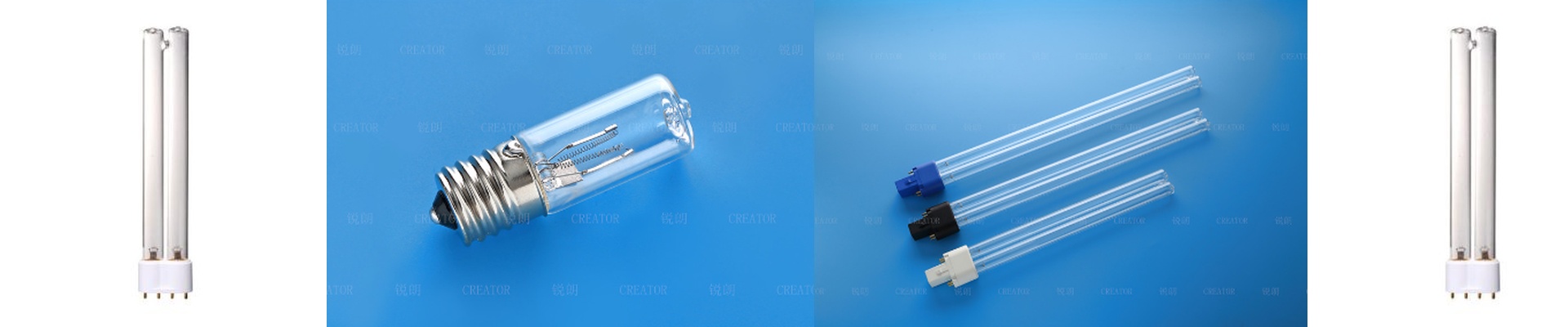
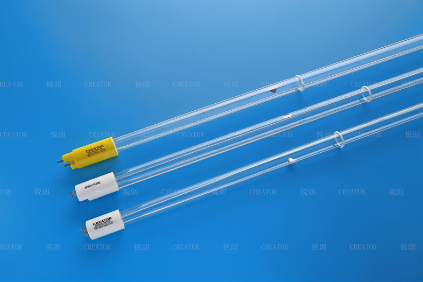
On the floor, microbial contamination isn’t just a quality issue—it shuts the line down. Mold spores hitching a ride on surfaces and in air handlers end up in the work, and then you’re scrapping and rework. The question becomes whether UV germicidal lamps can actually kill mold without creating a different headache. It comes down to spectrum control and what you’re running over.
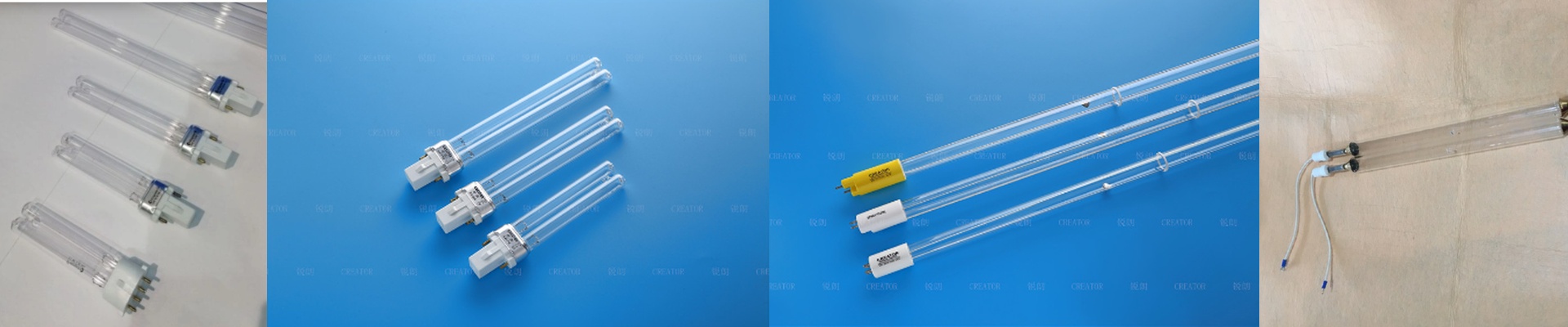
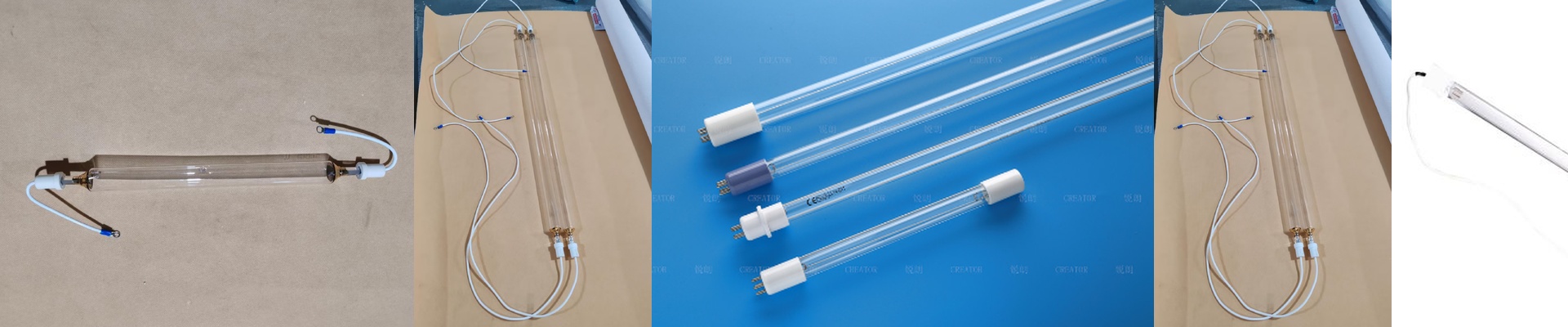
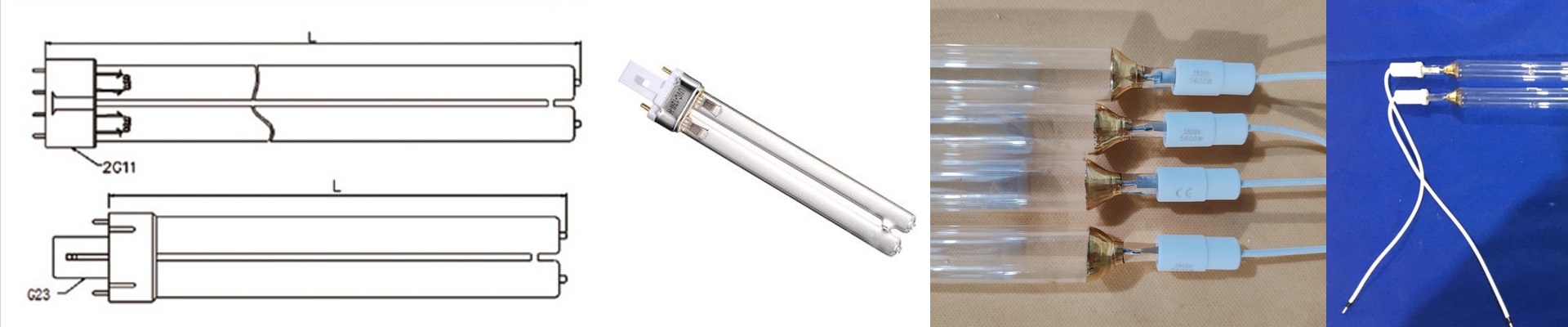
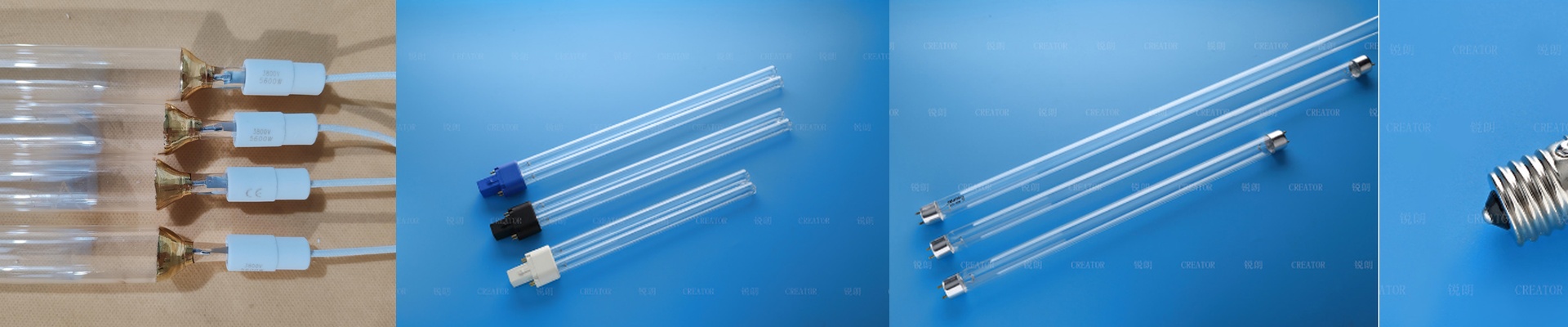
We spec our UVC lamps with ozone-free quartz glass, not standard borosilicate. That glass cuts off everything below 200nm, so you stop ozone at the source. Operators don’t have to worry about respiratory irritation, and you don’t get corrosive oxidation chewing up nearby components. Output stays pinned to the 254nm germicidal band, where DNA/RNA absorption peaks. In practice, that means predictable microbial kill without needing post-ventilation or ozone scrubbers. That same design also gives you curing-grade intensity. High peak irradiance and stable spectral output translate into consistent energy density across the target, so you get rapid cross-linking when UV disinfection and UV curing share the same space. You’ll see instant initiation, better penetration into thin films, and complete cure profiles without overheating the substrate. Cycle times fall because the dwell is short and the reaction is decisive. Installation is straightforward, but optics still matter. Keep the lamp-to-target distance where it needs to be to hit the required mJ/cm²; otherwise, you’ll fight shadowing and under-exposure. Double-check reflector alignment, and keep the quartz sleeve clean—surface films scatter 254nm and eat away at delivered dose. Plan on scheduled output checks with a calibrated radiometer. Going ozone-free doesn’t cost you dose. It just removes the byproduct, which keeps the process safer for people and for the equipment. If you want mold control that fits cleanly into industrial workflows, spec true ozone-free quartz UVC—built for reliable inactivation and steady performance.
על רצפת הייצור, זיהום מיקרוביאלי הוא לא רק בעיית איכות — הוא מפסיק את קו הייצור. נבגי עובש הנישאים על פני שטחים ובמערכות מיזוג מגיעים למוצרים, וכתוצאה מכך יש צורך בפסילות ועבודות תיקון. השאלה היא האם מנורות UV מחטאות מסוגלות להרוג עובש מבלי ליצור בעיה אחרת. הכל תלוי בשליטה על הספקטרום ובמה שהמנורה פועלת עליו.
אנחנו מגדירים את מנורות ה-UVC שלנו עם זכוכית קוורץ נטולת אוזון, לא זכוכית בורוסיליקט סטנדרטית. הזכוכית הזו חוסמת קרינה מתחת ל-200nm, וכך מונעת יצירת אוזון כבר במקור. המפעילים אינם חשופים לגירוי בדרכי הנשימה, ואין חמצון קורוזיבי שפוגע ברכיבים סמוכים. הפלט נשאר ממוקד בתחום המחטא ב-254nm, שבו יש שיא בקליטת DNA/RNA. בפועל, זה מאפשר חיסול מיקרוביאלי צפוי ללא צורך באיוורור לאחר השימוש או במסנני אוזון.
אותו עיצוב מספק גם עוצמה ברמת ריפוי. עוצמת הקרינה בשיא ויציבות הספקטרום מתורגמות לצפיפות אנרגיה אחידה על פני המטרה, כך שמתקבל קישור צולב מהיר כאשר חיטוי UV וריפוי UV מתבצעים באותו אזור. תתקבל הפעלה מיידית, חדירה משופרת לשכבות דקות, ופרופילי ריפוי מלאים ללא חימום יתר של התת-מצע. זמני מחזור מתקצרים כי זמן החשיפה קצר והתגובה החלטית.
התקנה פשוטה, אך האופטיקה עדיין חשובה. יש לשמור על מרחק מדויק בין המנורה למטרה כדי להגיע למינון הנדרש במיליג’אול לס"מ²; אחרת, תיתקלו בצללים וחשיפה לא מספקת. יש לוודא יישור מדויק של הרפלקטורים ולשמור על ניקיון השרוול הקווארץ — שכבות על פני השטח מפזרות קרינת 254nm ופוגמות במינון המועבר. יש לתכנן בדיקות תפוקה שגרתיות עם רדיומטר מכויל.
שימוש בזכוכית נטולת אוזון אינו מוריד את המינון. הוא רק מסיר תוצר לוואי, וכך שומר על תהליך בטוח יותר לאנשים ולציוד. אם נדרש שליטה בעובש שמשתלבת בצורה נקייה בתהליכים תעשייתיים, יש להגדיר מנורות UVC אמיתיות מזכוכית קוורץ נטולת אוזון — מתוכננות להשבתה אמינה וביצועים יציבים.