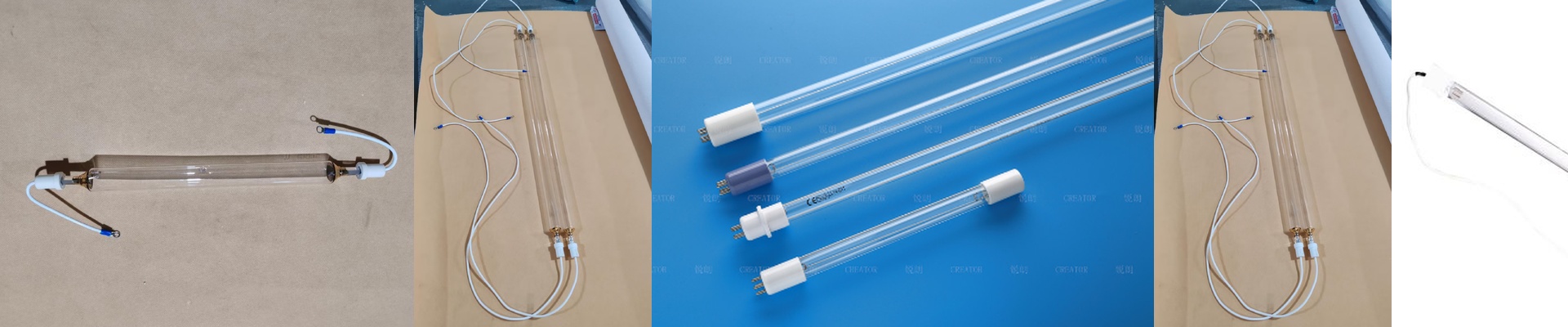
Getting Your UV Curing Right
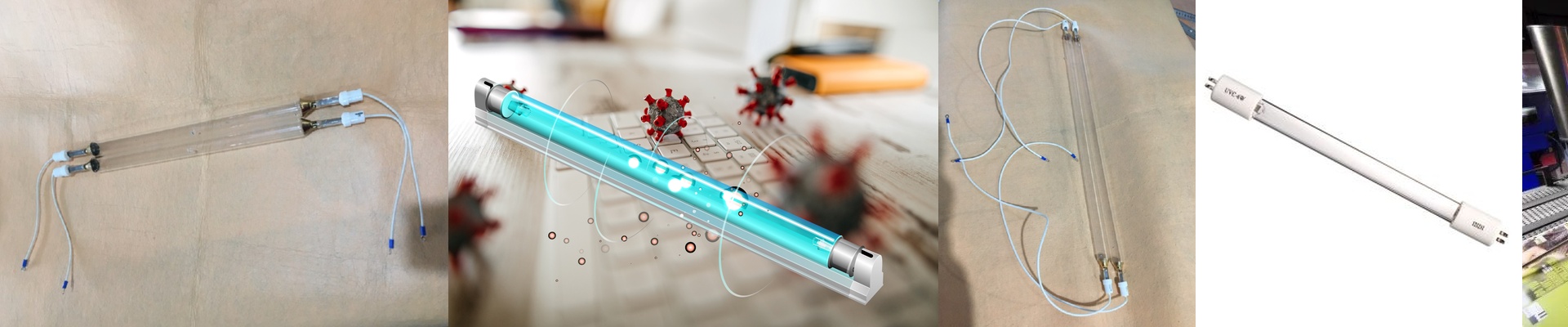
Buying UV lamps in bulk is the easy part. The real headache? Getting your curing line to actually run without hitting a bottleneck. We don’t just ship you a box of tubes and wish you luck. We help you figure out the actual setup—making sure your ink sets fast enough to keep the line moving, but not so hot that you’re scorching your materials.
The balancing act of UV output
It really comes down to two things: what’s coming out of the lamp and how far away it is from your product. If you’re running thick ink or cranking up the conveyor speed, you need high-wattage lamps to get that energy density. But here’s the catch: if you push the wattage too high and don’t speed up the belt, you’ll start seeing bubbles in the ink or, worse, warped plastic. It’s all about finding that sweet spot.
Hardware that actually fits
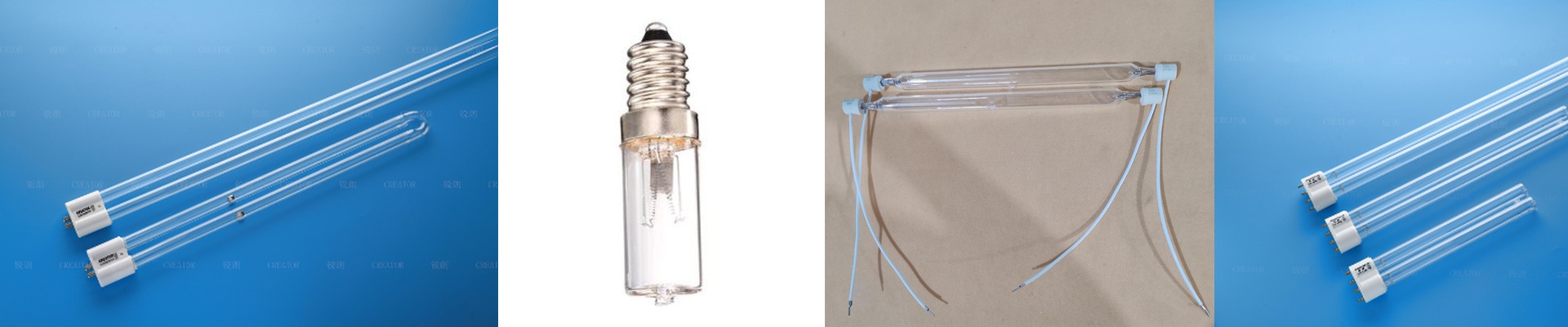
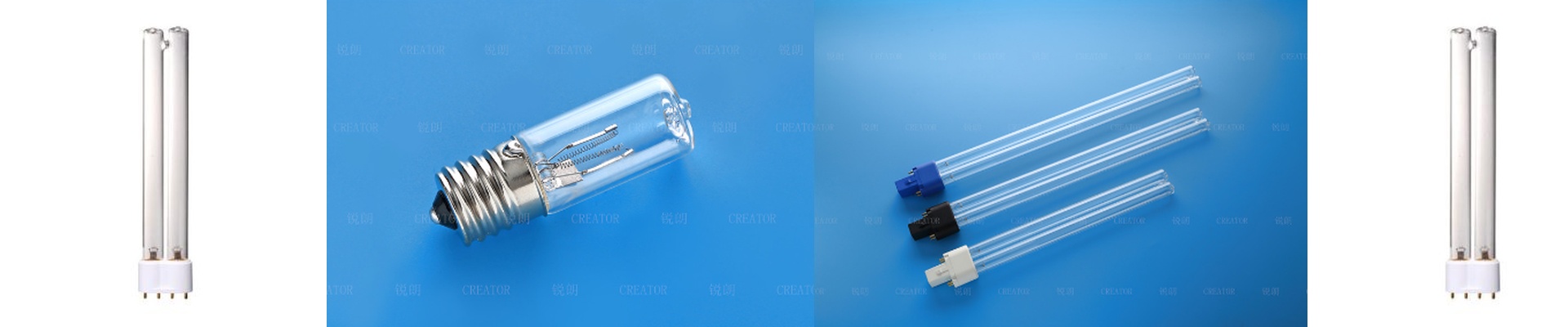
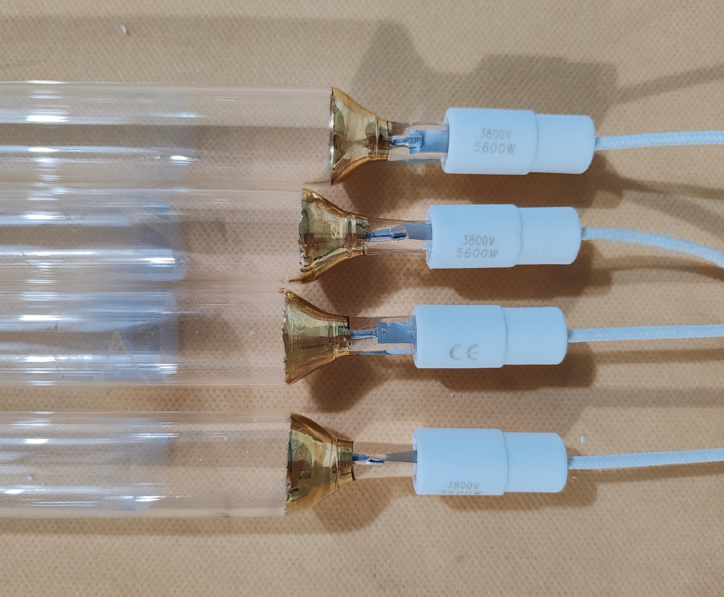
There is nothing more frustrating than a part that almost fits. Whether you’re sticking with mercury-vapor or moving over to LED, your connectors and housing have to play nice with your ballast. If the voltage or impedance is off, you’re just burning through lamps for no reason. That’s why we obsess over the tiny details. We make sure every lamp is a true drop-in replacement. You swap it out, it works, and you get back to making money instead of staring at a downed machine.
The trade-offs nobody mentions
Here is the thing: more intensity means you can push more product through the door. Sounds great, right? But that extra power puts a massive load on your cooling and exhaust. If your fans can’t pull the heat away fast enough, the lamp temperature spikes. When that happens, the spectral peak shifts and your curing efficiency tanks. You’ve got to make sure your cooling system can actually handle the total wattage of your lamp bank. We’ll sit down with you, look at your print speeds and your ink chemistry, and match the wavelength and intensity to your specific setup. It beats the hell out of under-curing your prints and paying for expensive re-runs.