Why we use Gallium Iodide Lamps for PCBs
Let’s be honest: standard curing just doesn’t cut it anymore. If you’re trying to keep up with modern PCB production, you need something with more punch. That’s where Gallium Iodide (GaI) lamps come in. They work by exciting gallium iodide vapor to create a very specific, concentrated hit of UV light. This is what actually triggers the polymerization in your photo-sensitive resins. It’s not just “light”—it’s the exact wavelength needed to get the job done.
Getting the waveform right
In a PCB shop, the difference between a perfect circuit and a total short is a few microns. It’s a tiny margin. GaI lamps give you that high-intensity UV blast that hardens the resist almost instantly. The best part? The energy peak is sharp. It hits exactly where it needs to without bleeding into the areas next to it. But here’s the thing: power density is everything. You need the light to be consistent across the whole board. If your power supply starts dipping or spiking, your exposure times will drift, and suddenly your boards aren’t coming out right. I always suggest using stabilized power controllers to keep that output flat and predictable.
The hardware side of things
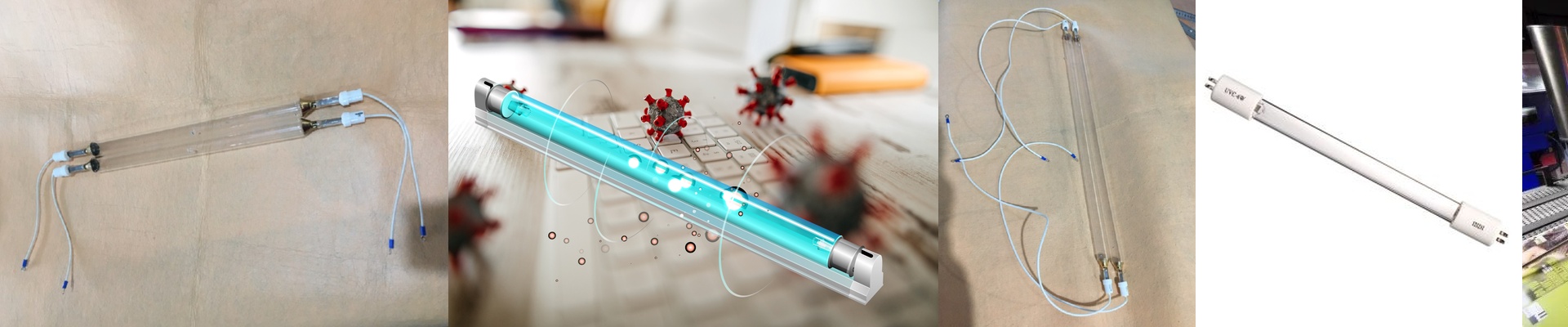
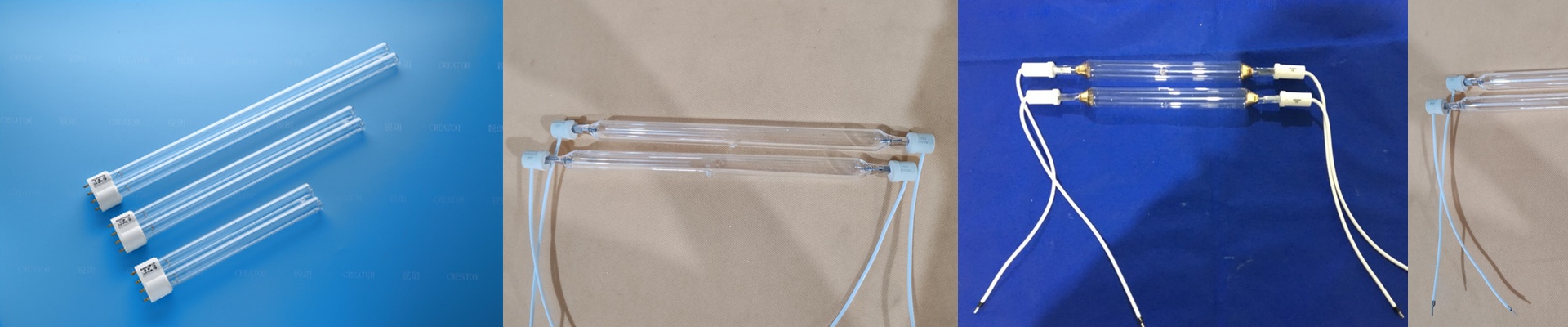
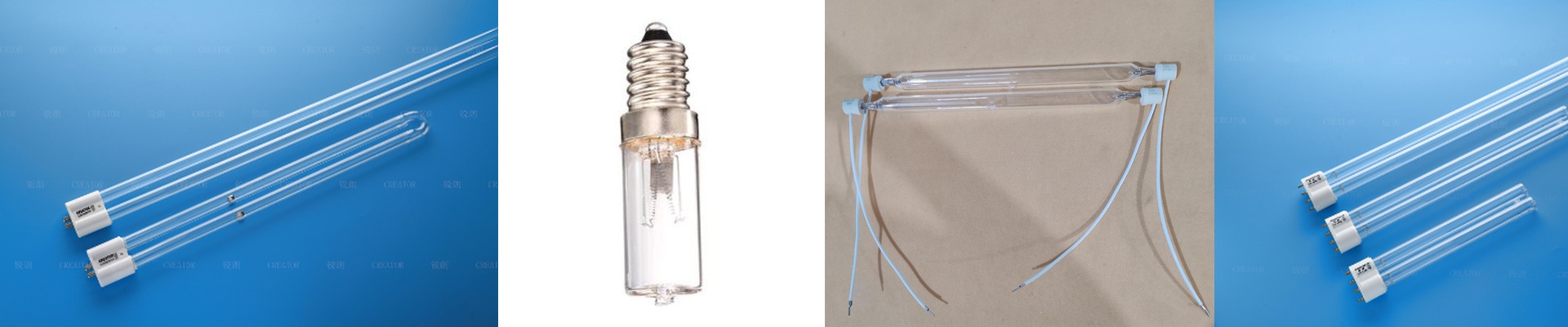
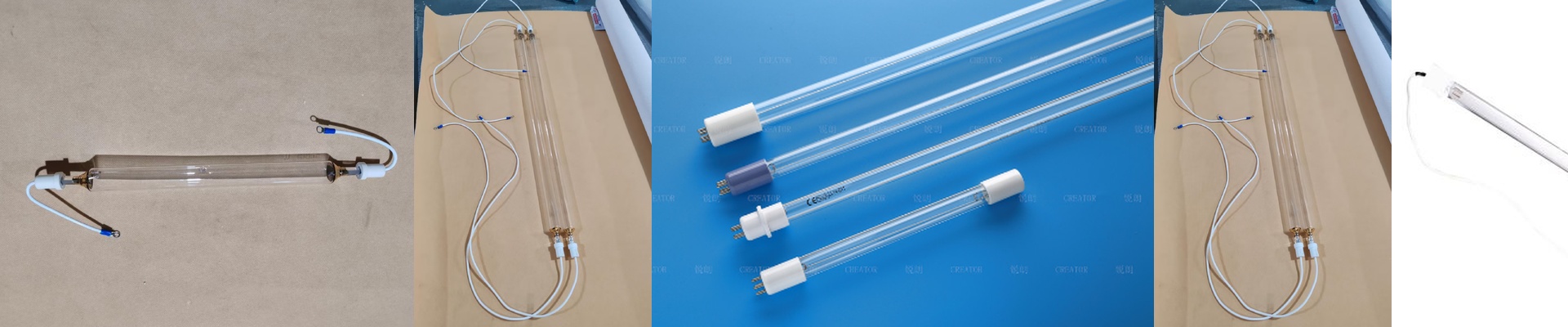
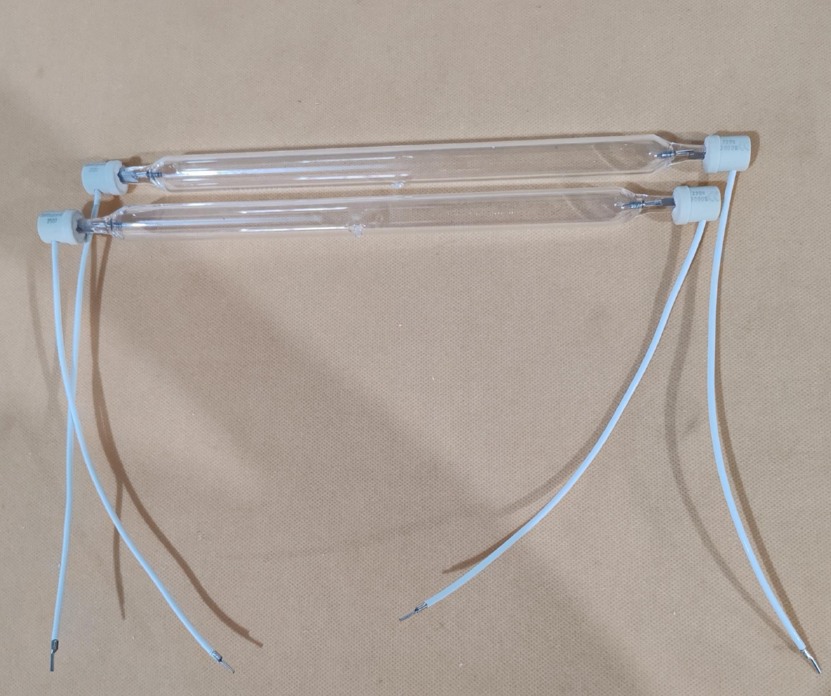
These aren’t the kind of lamps you just plug in and forget about. Because we’re dealing with gallium iodide vapor, you need quartz envelopes. We use high-purity quartz because regular glass would just cloud over under the heat. And man, these things runhot. You have to keep a close eye on your thermal load. If your fans are weak or your chilled water loops aren’t up to the wattage, that quartz tube is going to stress and eventually crack. I’ve seen way too many tubes burn out early simply because the housing didn’t have enough breathing room.
Making it smarter
Lately, we’ve been moving away from standalone lamps and shifting toward sensor-driven arrays. Instead of just guessing, we link the lamp output directly to the speed of the conveyor. It means no more over-exposure. You’re taking a manual, “hope-it-works” curing process and turning it into something driven by actual data. It’s a simpler way to work. Fewer scrapped boards, less waste, and the peace of mind knowing every single board is hitting the same spec.