Let’s Talk About UV Curing That Doesn’t Trash the Planet
Most industrial UV systems are a bit of a nightmare when it comes to waste. They’re full of components that you can’t just toss in the bin—hazardous stuff that sticks around way too long. We decided that wasn’t good enough. So, we’ve been reworking our custom UV lamps from the ground up. We swapped out the toxic fillers for materials that actually play nice with the environment. The goal? Zero pollution. Plain and simple.
Making Lamps That Actually Last
Here is the secret: it all comes down to the glass and the electrodes. You know how some lamps start to look cloudy after a while? That’s called solarization. It blocks the UV light and kills your efficiency. To stop that, we use a high-purity synthetic quartz. It’s tough. It handles heat and chemicals without breaking a sweat, keeping the glass clear and the light strong. Then there are the electrodes. In cheaper lamps, material starts flaking off and sticking to the inside of the tube. You get these dark spots, and suddenly your lamp is useless. We tweaked the chemistry of our electrodes to stop that drift. It means the lamp stays bright for much longer before it finally gives out.
The Trade-off (Because Nothing is Magic)
Now, I’ll be honest with you. Going eco-friendly doesn’t mean there are no rules. These lamps pack a lot of energy. If you crank up the wattage to get those lightning-fast cure speeds, things get hot. Really hot. That heat puts a lot of pressure on your reflectors. Just make sure your cooling fans and airflow are up to the task. If the lamp overheats, your seals will fail—and it doesn’t matter how “green” the materials are if the lamp burns out prematurely.
Fitting Them Into Your Setup
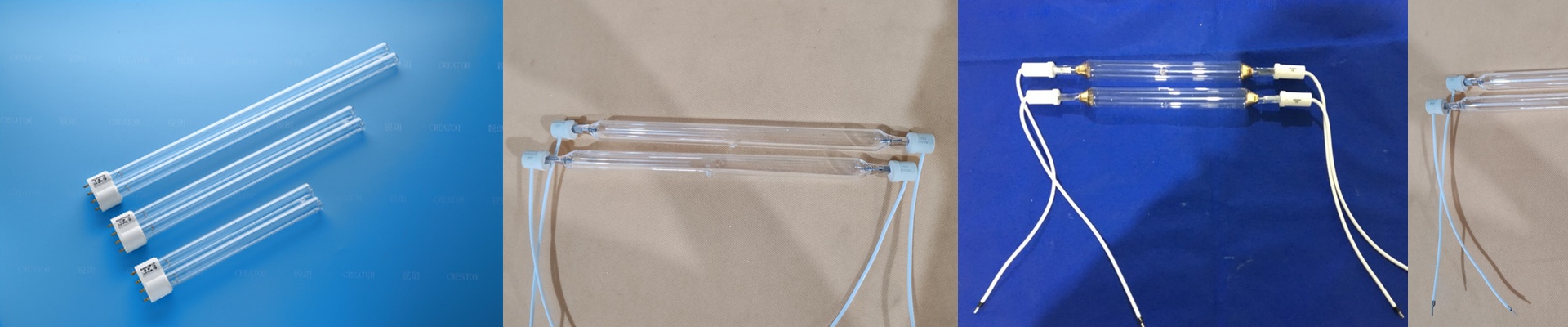
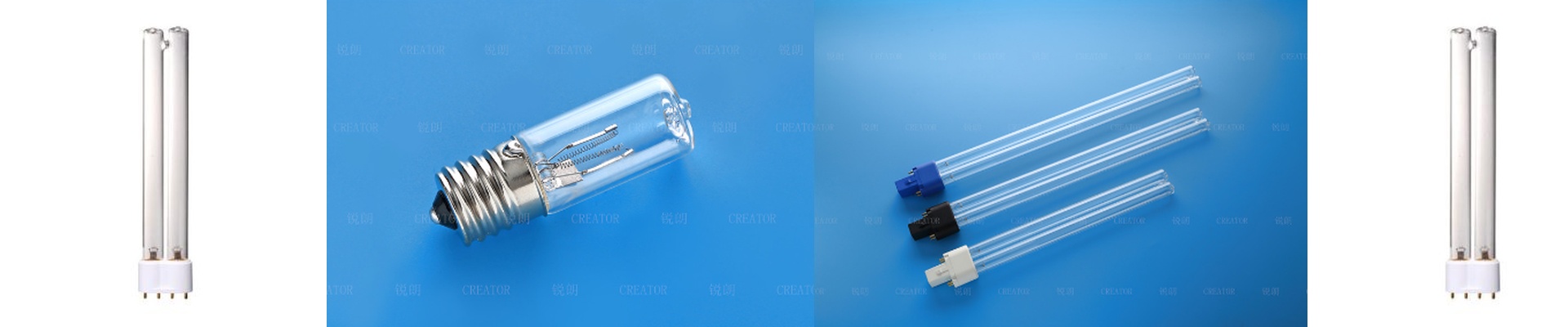
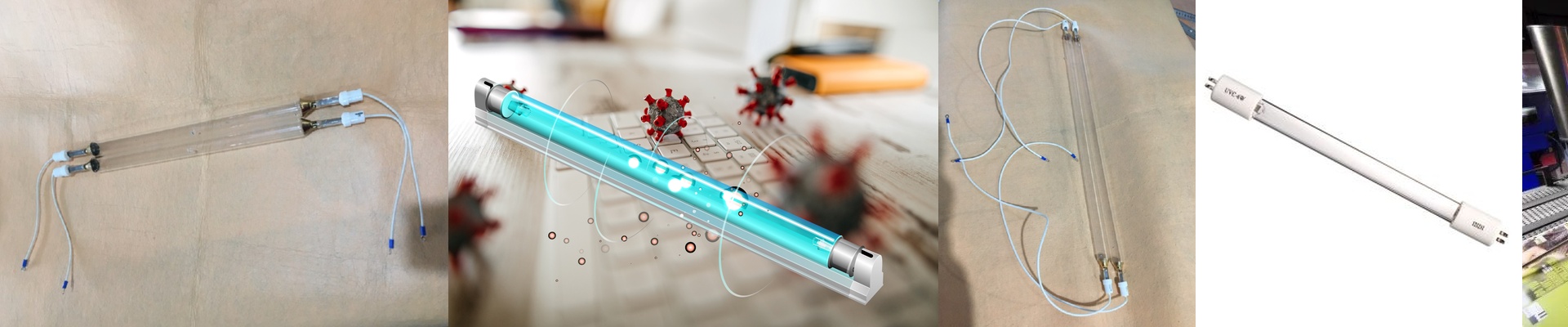
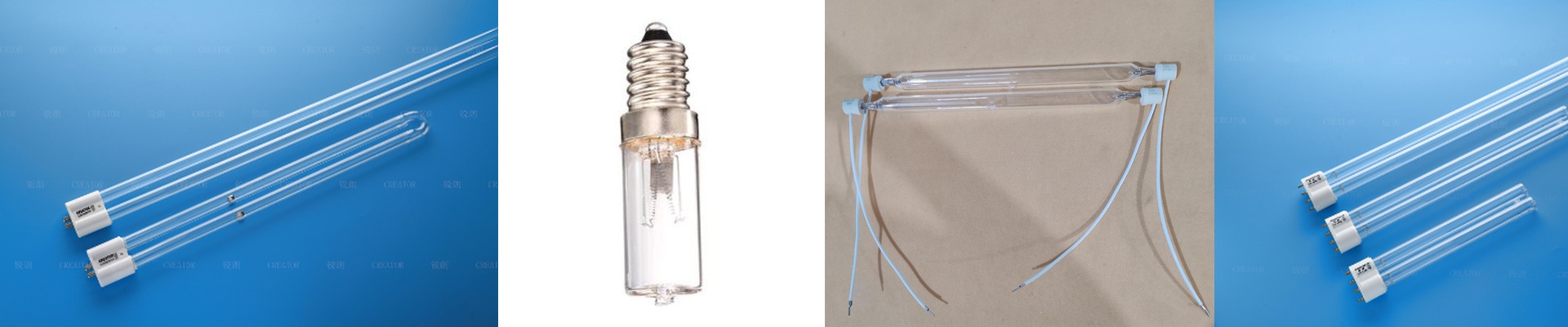
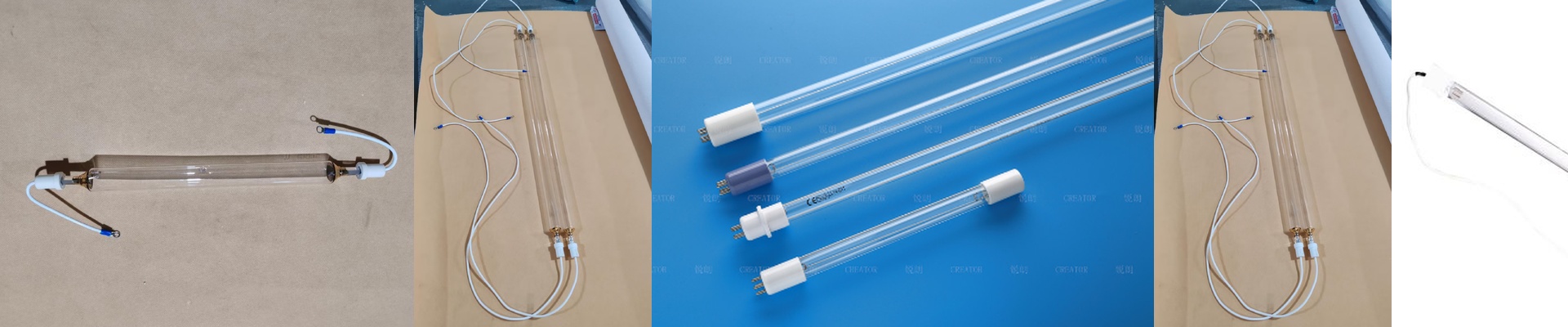
The best part? You don’t have to rip out your entire rack or spend a weekend rewiring everything. We designed these to be drop-in replacements. We’ll make them in the specific length you need with connectors that match what you’re already using. It just works. When your lamps last longer, you aren’t swapping them out every few weeks. That means less downtime for your machines and way less hazardous waste heading to a landfill. We’re building these for the long haul, not for a quick replacement cycle.