

Getting Your UV Curing Right with High-Pressure Mercury Lamps
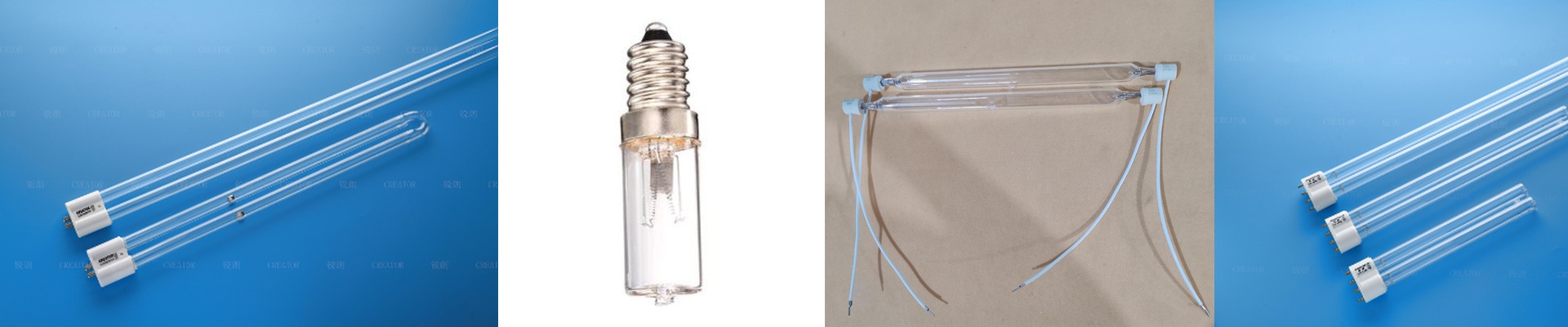
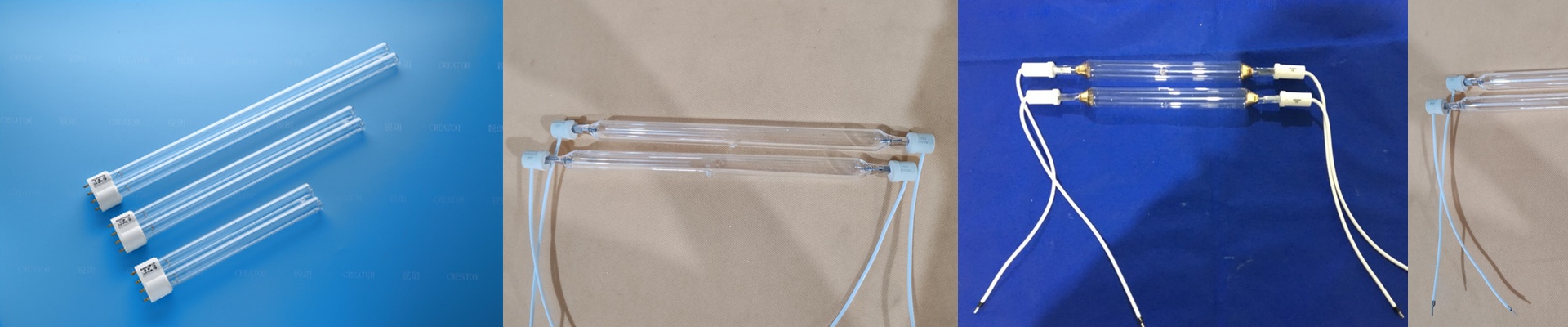
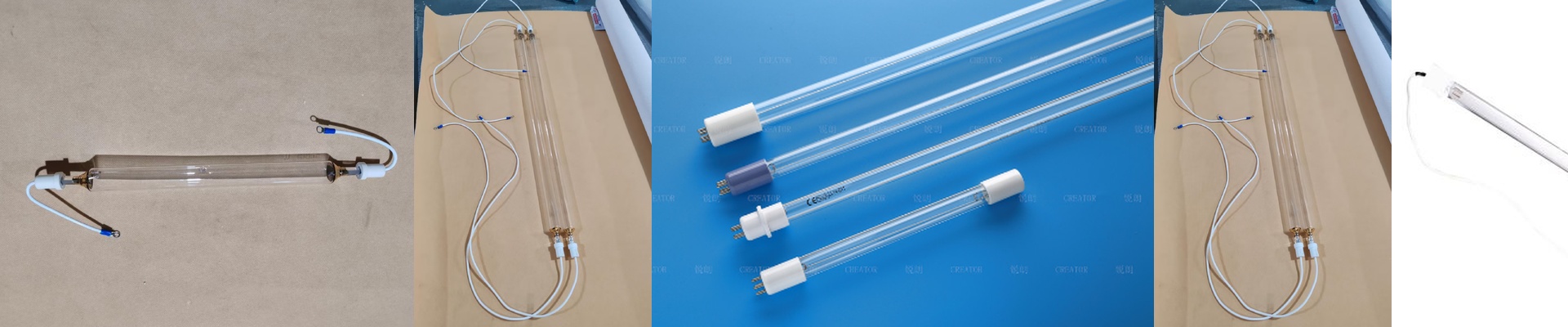
We spent some time at the 2026 printing exhibition showing off our custom UV lamp modules. Now, these aren’t your typical, off-the-shelf bulbs you can just grab from a catalog. We build these specifically for high-speed ink curing because we know the pain of industrial printing. There’s nothing worse than running a massive batch only to realize the ink is smearing because the cure wasn’t consistent. It’s a waste of time and a lot of wasted material.
The “Secret Sauce” of Mercury Discharge
Here’s how it works: we use high-pressure mercury vapor to create a broad spectrum of UV radiation. We keep the wattage high so the light actually digs deep into those thicker layers of ink. By cranking up the internal pressure of the mercury, we get those intense UVC and UVB wavelengths that trigger the photoinitiators the second they hit the surface. But you’ve got to get the math right. Your wattage needs to match your line speed. If you decide to speed up your press, you’re going to need more power density. Otherwise, the ink isn’t getting enough energy per square inch to actually set.
Dealing with the Heat
For the envelopes, we use high-purity fused quartz. It’s tough, it doesn’t cloud over time, and it lets the UV light through without fighting it. We also put a lot of work into the electrodes so they don’t just burn out the moment you start cycling the power on and off. But let’s be real—these lamps gethot. Really hot. If your cooling fans are weak or your water jackets aren’t up to the task, that quartz envelope is going to stress out and eventually crack. That’s why we design our modules with a footprint that lets air move aggressively. It keeps the temperature where it needs to be so you aren’t replacing lamps every other week.
Making it Work in Your Shop
The best part? These are designed to be drop-in replacements. You shouldn’t have to tear apart your entire power supply just to upgrade your curing station. We handle the custom wiring and connectors so you can just plug them in and get back to work. One quick tip: these lamps put out a ton of power, but they’re sensitive. You need a stable ballast. If your input voltage starts jumping around, you’ll see it in your cure rate. Keep the power steady, and these things will run like a charm.